
← Back to Ignition Timing
Ignition Timing Safety
⚠️ Critical Safety Warnings
- Stock flywheels can fail at high RPMs. A failed flywheel can cause serious injury or death. Always use a billet flywheel when running above 4000 RPM or using 4°+ timing keys.
- Pre-ignition (knock) can destroy your engine. Too much advance can cause detonation, which can damage pistons, rods, and bearings. Always listen for knock and reduce timing if present.
- Always verify timing with a timing light. Never assume the key degree equals actual timing. Verify with proper equipment.
- Use proper torque on flywheel nut. Under-torqued flywheels can come loose, causing catastrophic failure. Over-torqued nuts can damage threads.
Required Safety Components
For 4° Timing Key:
- Billet flywheel (required)
- Torque wrench (for proper installation)
- Timing light (for verification)
For 6° Timing Key:
- Billet flywheel (required)
- Billet connecting rod (required)
- Torque wrench (for proper installation)
- Timing light (for verification)
Installation Safety Checklist
- Engine must be completely stopped and cooled
- Remove spark plug wire to prevent accidental starting
- Use proper flywheel puller (never use pry bars or hammers)
- Inspect flywheel and keyway for damage before installation
- Clean all surfaces before reassembly
- Use new timing key (never reuse old key)
- Torque flywheel nut to specification (typically 50 ft-lb)
- Verify timing with timing light after installation
- Listen for knock/detonation during initial test runs
Disclaimer
This information is for educational purposes only. Always follow manufacturer specifications and use proper safety equipment. Engine modifications can be dangerous and may void warranties. Proceed at your own risk.
Useful Videos

50:00
Safety
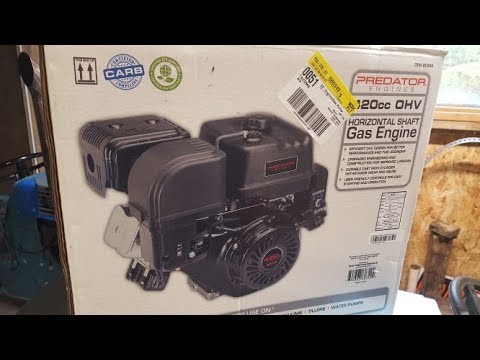
Predator 420 - Maintenance Schedule
GoPowerSports
maintenanceschedulesafety
40:00
Safety
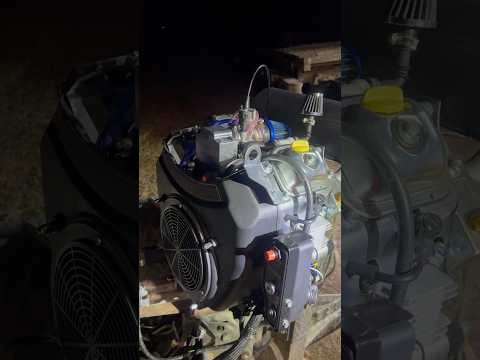
Predator 420 - Engine Break-In Process
GoPowerSports
break-insafetymaintenance
50:00
Safety
Predator 670 - Maintenance Schedule
GoPowerSports
maintenanceschedulesafety

40:00
Safety
Predator 670 - Engine Break-In Process
GoPowerSports
break-insafetymaintenance
36:00
Safety
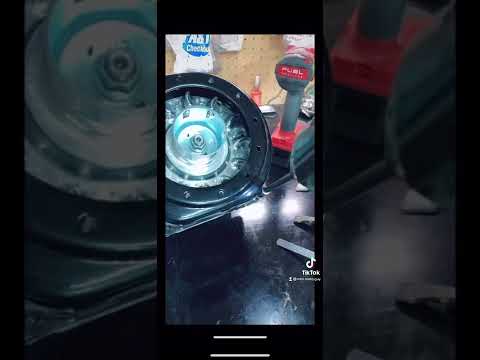
Predator 212 Non-Hemi - High RPM Safety Guidelines
GoPowerSports
safetyrpmhigh-performance
35:00
Safety
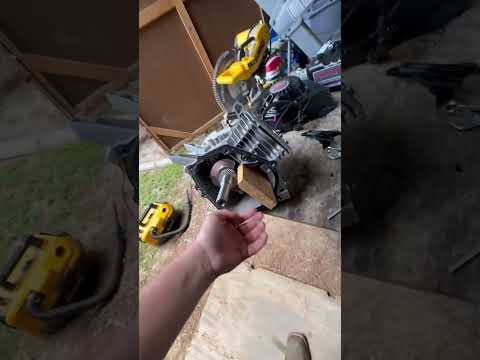
Predator 212 Non-Hemi - Safety Tips and Common Mistakes
GoPowerSports
safetymistakestips