
Advanced Timing Optimization
Timing and RPM Relationship
Higher RPM engines typically benefit from more advanced timing because:
- Piston speed increases, requiring earlier ignition for complete combustion
- More advance helps maintain power at peak RPM
- Proper timing can prevent power drop-off at high RPM
However, too much advance at low RPM can cause issues. This is why some engines use variable timing or why you may need to tune based on your RPM range.
Timing Key Selection Guide
2° Key - Conservative
Best for: Street builds, moderate RPM (up to 5000 RPM). Safe with stock flywheel if RPM stays below 4000.
4° Key - Moderate
Best for: Performance builds, higher RPM (5000-6000 RPM). Requires billet flywheel.
6° Key - Aggressive
Best for: Race builds, very high RPM (6000+ RPM). Requires billet flywheel and billet rod. Use with caution and proper safety components.
Verification Required
Always verify your actual timing with a timing light after installing a timing key. The key degree is approximate—actual timing may vary based on engine condition, flywheel position, and other factors.
Useful Videos
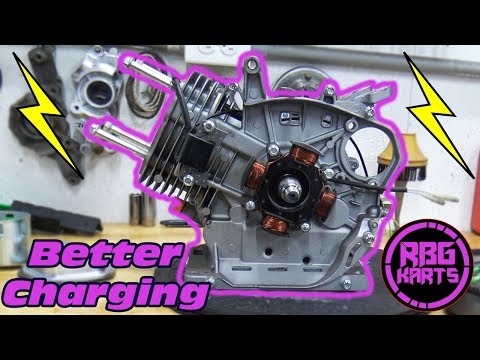
Predator 420 - Performance Testing
GoPowerSports

Predator 420 - Engine Troubleshooting
GoPowerSports
Predator 420 - Choke Adjustment
GoPowerSports
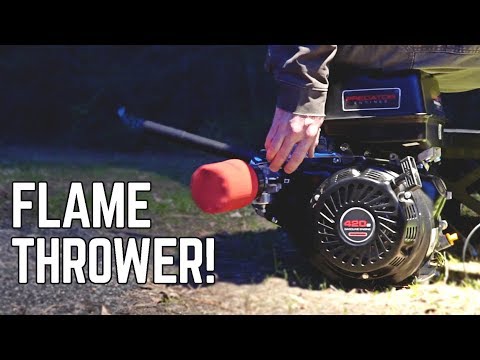
Predator 420 - Throttle Linkage Setup
GoPowerSports

Predator 670 - Performance Testing
GoPowerSports
Predator 670 - Engine Troubleshooting
GoPowerSports